

When you're looking for someone to care for your pet, you're not just looking for a person who can fill a food bowl and let the dog out.
You're handing someone a member of your family.
And that means finding the right pet sitter matters.
A great pet sitter isn't simply someone who likes animals. They understand animals. They notice when a dog is nervous, when a cat wants space, when an animal's behaviour has changed, and when something just doesn't seem quite right.
And there's another quality worth looking for that can make a real difference: experience working with animal rescue.
A Pet Sitter Who Understands More Than the Basics
Animals don't come with instruction manuals.
Every dog, cat and other companion animal has its own personality, habits, fears and quirks.
Some animals are confident and love meeting new people. Others take time to trust someone. Rescue animals can sometimes need even more patience and understanding.
This is where experience in animal rescue can be incredibly valuable.
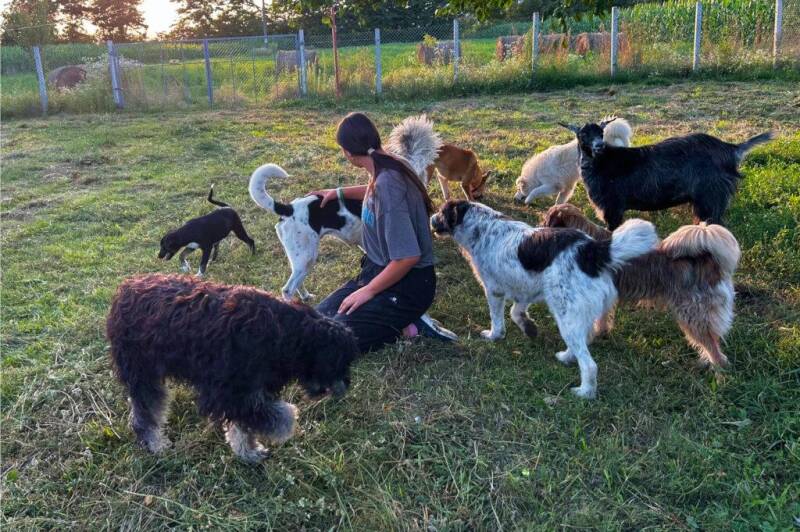
People involved in rescue regularly encounter animals that have been abandoned, neglected, frightened or simply had a difficult start in life. They learn to look beyond the obvious behaviour and understand that sometimes a scared animal isn't a "bad" animal — it's an animal that needs time, patience and reassurance.
That experience can translate beautifully into pet sitting.
Look for Someone Who Sees the Animal, Not Just the Job
A pet sitter's job shouldn't be about simply ticking boxes.
Feed the dog.
Change the water.
Clean the litter.
Take the dog for a walk.
Leave.
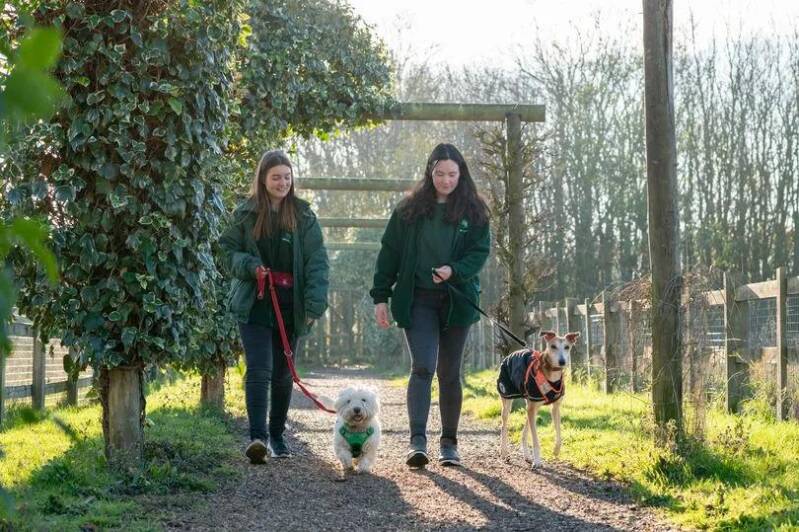
The best pet sitters actually get to know the animals they care for.
They learn what makes your dog excited. They discover where your cat likes to sleep. They notice which treats disappear instantly and which ones get suspiciously left behind.
And they pay attention.
That attention can be especially important when you're not there.
Rescue Experience Can Teach Patience
Anyone who has spent time working with rescue animals knows that trust isn't always instant.
Some animals need a little more time before they are comfortable with a new person.
A good pet sitter understands this.
They won't necessarily expect your pet to become their best friend within five minutes. Instead, they'll allow the animal to approach at its own pace and build trust naturally.
For nervous, elderly or previously rescued animals, that patience can be priceless.
Ask About Their Experience
When you're choosing a pet sitter, don't be afraid to ask questions.
Have they worked with animals before?
Have they cared for nervous or elderly pets?
Are they comfortable with animals that need medication or special routines?
Have they been involved in rescue work?
And perhaps most importantly — how do they handle an animal that doesn't immediately trust them?
The answers can tell you a lot.
Your Pet Has a Personality — Their Care Should Reflect That
One of the biggest mistakes a pet sitter can make is treating every animal the same.
Your dog might need a long walk and plenty of attention.
Another dog might prefer a quiet stroll and a comfortable bed.
Your cat might greet visitors at the door.
Another might disappear underneath the bed until it decides the visitor has passed its inspection.
That's normal.
Good pet care isn't about forcing an animal into a routine that doesn't suit them. It's about understanding their individual personality and keeping them comfortable.
What About Rescue Animals?
If you've adopted a rescue animal, you'll probably understand this already.
Sometimes their history isn't completely known.
Sometimes they need extra reassurance.
Sometimes a change in routine can unsettle them.
A pet sitter with rescue experience may have a better understanding of these challenges and be prepared to give the animal the time and patience it needs.
That doesn't mean every rescue animal is difficult — far from it.
It simply means that understanding animal behaviour and building trust is an important part of good care.
Communication Is Just as Important as Animal Experience
There's another thing great pet sitters understand: owners worry about their pets.
Even when you're only away for a few days, you can find yourself wondering:
"Are they okay?"
"Did they eat?"
"Are they missing me?"
"Are they having fun?"
Regular updates can make a huge difference.
A quick message, photograph or video can turn "I wonder how they're doing?" into a smile when you see your dog happily enjoying their day.
A Pet Sitter Should Have an Emergency Plan
Responsible pet care also means being prepared for the unexpected.
Your pet sitter should know who to contact if your animal becomes sick or injured and where important information is kept.
Before you leave, make sure they have:
- Your contact details
- Your veterinarian's details
- Feeding instructions
- Medication instructions, if required
- Emergency contact information
- Any important information about your pet's behaviour
Hopefully none of it will ever be needed.
But it's better to be prepared.
Meet the Pet Sitter Before You Book
One of the best things you can do is arrange a meeting before your first booking.
Let your pet meet them.
Show them your pet's normal routine.
Explain their personality.
Point out the things that might not be obvious to someone who doesn't know them.
And watch how the sitter interacts with your animal.
Do they rush in?
Or do they give your pet time to approach?
Do they listen when you explain your pet's needs?
Do they ask questions?
Sometimes you can learn a lot simply by watching the interaction.
Look for Someone Who Genuinely Cares
Qualifications and experience are important.
Reviews are important.
Reliability is important.
But there's something else that's difficult to put on a checklist.
Genuine care.
People who volunteer their time helping animals through rescue often do it because they genuinely want to make a difference.
They see animals at their most vulnerable and help them find safety, trust and eventually a better life.
That passion for animals can be incredibly valuable when caring for someone's beloved pet.
Pets Are Family
At the end of the day, choosing a pet sitter comes down to one simple question:
Would you trust this person with a member of your family?
Take the time to meet them. Ask questions. Check their experience. Find out how they handle different animals and situations.
And if they have experience working in animal rescue, ask them about it.
You may discover that their rescue work has taught them something that no checklist can measure — how to understand an animal, earn its trust and genuinely care about its wellbeing.
Pets & Beyond
At Pets & Beyond, we believe caring for animals is about much more than simply completing a list of jobs.
It's about understanding them, respecting their personalities and giving them the attention they deserve.
Our connection with animal rescue is an important part of that philosophy. Rescue work teaches you that every animal has a story, every animal is different, and sometimes the animals that need the most patience give the most back.
Whether we're caring for a much-loved family pet or helping animals through rescue, the goal is the same:
Happy animals. Caring people. Better lives.
Because when you can't be there, you want to know your pets aren't just being looked after.
They're being cared about.
Add comment
Comments