

There is a question that deserves more attention in the dog world: Should we be breeding more puppies when so many dogs are already waiting for a home?
It is a topic that can quickly become heated. Dog lovers are passionate about their animals, and people have different reasons for choosing a particular breed or deciding to adopt. But if we put our opinions aside for a moment and focus on what matters most — the welfare of dogs — it is a conversation worth having.
At Paws & Beyond, we believe every dog deserves a safe, loving home. That means looking honestly at dog breeding, rescue, responsible ownership and the choices we make when bringing a dog into our lives.
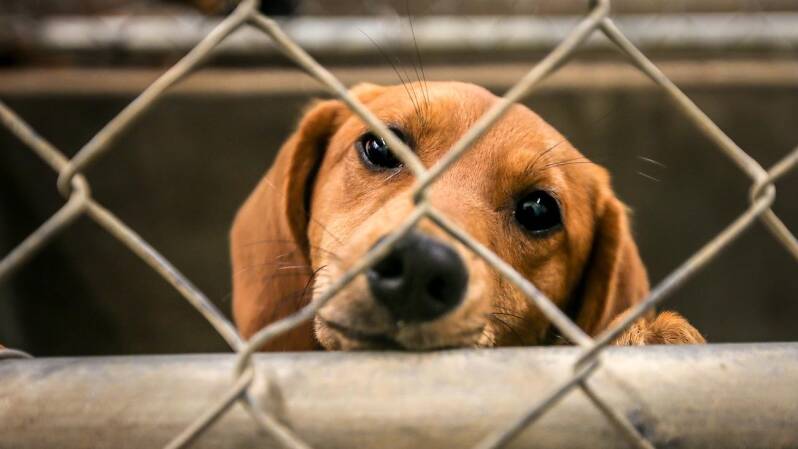
The dogs waiting for a second chance
Across Australia, rescue groups, shelters and dedicated volunteers work hard to care for dogs that have lost their homes. Some have been surrendered because their owners can no longer afford their care. Others have experienced neglect, abandonment or changes in family circumstances.
Some dogs arrive frightened and confused. Others are full of energy, affection and personality, simply waiting for someone to give them an opportunity.
Rescue work takes time, money, patience and an enormous amount of compassion. Food, veterinary treatment, transport, foster care and rehabilitation all require resources, much of which comes from donations and the efforts of volunteers.
For the people doing this work, it can be heartbreaking to see dogs waiting for homes while new litters of puppies are being advertised.
It naturally raises an important question: could more prospective dog owners consider giving an existing dog a chance?
Why do people choose to buy puppies?
It is important to acknowledge that people choose puppies for many reasons.
Some families want to raise a dog from a young age. Others have particular requirements around size, temperament, grooming or activity levels. Some people need a dog with characteristics that suit their household, living arrangements or working lifestyle.
Wanting a particular breed does not automatically make someone irresponsible, and buying a puppy is not inherently wrong.
Responsible breeders can make a valuable contribution to dog welfare by prioritising health, temperament, genetic diversity and appropriate living conditions. They should also carefully assess prospective owners and be prepared to support the dogs they bring into the world.
The problem is not simply that puppies are being bred. The more difficult question is whether every breeding decision puts the long-term welfare of the dogs first.
When breeding becomes a business first
There is a significant difference between carefully planned, responsible breeding and breeding primarily to meet demand or make money.
Irresponsible breeding can involve inadequate health testing, poor living conditions, repeated pregnancies without appropriate care, insufficient socialisation and little consideration of where puppies will end up.
When breeding decisions are driven by appearance, fashionable traits or quick sales rather than health and welfare, dogs can pay the price.
Prospective owners may also be misled by attractive advertisements, polished websites or promises that a puppy is healthy simply because it comes with paperwork.
A responsible breeder should be willing to answer questions, provide appropriate health information, explain the needs of the breed and allow prospective owners to understand the conditions in which puppies are raised.
They should also have a clear plan for supporting their dogs throughout their lives, including what happens if an owner can no longer care for one.
Are rescue dogs right for everyone?
Rescue should absolutely be considered when someone is looking for a dog, but it is not about shaming people who choose another route.
Rescue dogs come in all shapes, sizes, ages and temperaments. Some settle into a new home remarkably quickly, while others need patience, training and time to feel secure.
A rescue organisation can help match a dog to a suitable household, but prospective adopters still need to consider their circumstances carefully.
How much time can they give a dog? Can they afford food, training and veterinary care? Does the dog's energy level suit their lifestyle? Are they prepared for the responsibility that may last 10 years or longer?
The goal should never be to adopt a dog simply out of guilt. It should be to make a thoughtful, lifelong commitment.
And for those who cannot adopt, there are other ways to help, including fostering, volunteering, donating supplies, supporting reputable rescue organisations or sharing adoption profiles.
Should breeders have a responsibility when things go wrong?
This is one of the most important parts of the discussion.
Life can change unexpectedly. Families separate, finances become difficult, people become unwell, and housing circumstances can change. Sometimes, even a well-loved dog needs a new home.
Responsible breeders should take the welfare of their dogs seriously beyond the day a puppy is sold. Many reputable breeders offer ongoing advice and may require owners to contact them if they can no longer keep the dog.
That kind of commitment matters. Bringing a litter into the world should mean taking responsibility for the puppies' futures, not simply completing a sale.
It is also worth asking whether prospective owners understand the lifetime costs and responsibilities before taking a puppy home.
Better preparation, honest advice and support after purchase can help prevent some dogs from ending up in rescue.
Could choosing rescue make a difference?
When someone adopts a dog, they give that individual animal a home. Depending on the circumstances and the rescue organisation's capacity, adoption may also free up space or resources to help another animal.
Choosing rescue will not solve every problem in the dog world. It cannot, by itself, eliminate irresponsible breeding, abandonment or the complex reasons dogs enter shelters.
But it can be one meaningful part of the solution.
Before buying a puppy, consider visiting local rescue organisations and asking what dogs they have available. You might find an older dog that suits your lifestyle, a young dog looking for a family, or a mixed breed with exactly the personality you want.
If you decide that purchasing a puppy is the right choice for you, research breeders carefully. Ask about health testing, meet the mother where appropriate, check the puppies' living conditions and be wary of pressure to pay quickly or collect a puppy without proper checks.
Whether a dog comes from a rescue organisation or a responsible breeder, its welfare should always come first.
The conversation we need to have
This is not about declaring that every breeder is bad or that every rescue adopter is automatically a responsible owner. Good and bad decisions can happen in any part of the dog world.
It is about asking ourselves whether the choices we make are helping dogs have healthier, safer and more secure lives.
Could more people consider rescue before purchasing a puppy? Should responsible breeders do more to support dogs throughout their lives? How can buyers better identify irresponsible breeding? And how can communities support the rescue organisations already working under pressure?
These are not questions with one simple answer, but they deserve honest discussion.
At Paws & Beyond, we believe that dogs are not disposable, breeding should never come at the expense of welfare, and bringing a dog into the world or into your home carries a serious responsibility.
Every dog deserves more than simply being wanted as a puppy. Every dog deserves a lifetime of care.
We'd love to hear your thoughts
Would you consider adopting a rescue dog before buying a puppy? Do you believe breeders should have a responsibility to take dogs back if an owner can no longer care for them?
Share your thoughts respectfully in the comments. This is an important conversation, and the more we learn from one another, the better we can make life for the dogs who depend on us.
Paws & Beyond — advocating for responsible pet ownership and better lives for animals.
Add comment
Comments